
Learning how to store coffee beans is one of the simplest ways to protect the flavor you paid for. A bag of Ethiopia Yirgacheffe or Colombia Supremo will taste dull if it sits open next to a warm oven.
The method is straightforward. Keep whole beans away from air, moisture, heat, and light, and brew them while they still smell lively. The same ideas apply whether you buy roasted coffee beans or green coffee beans to roast at home — the details just differ.
Why roasted coffee goes stale
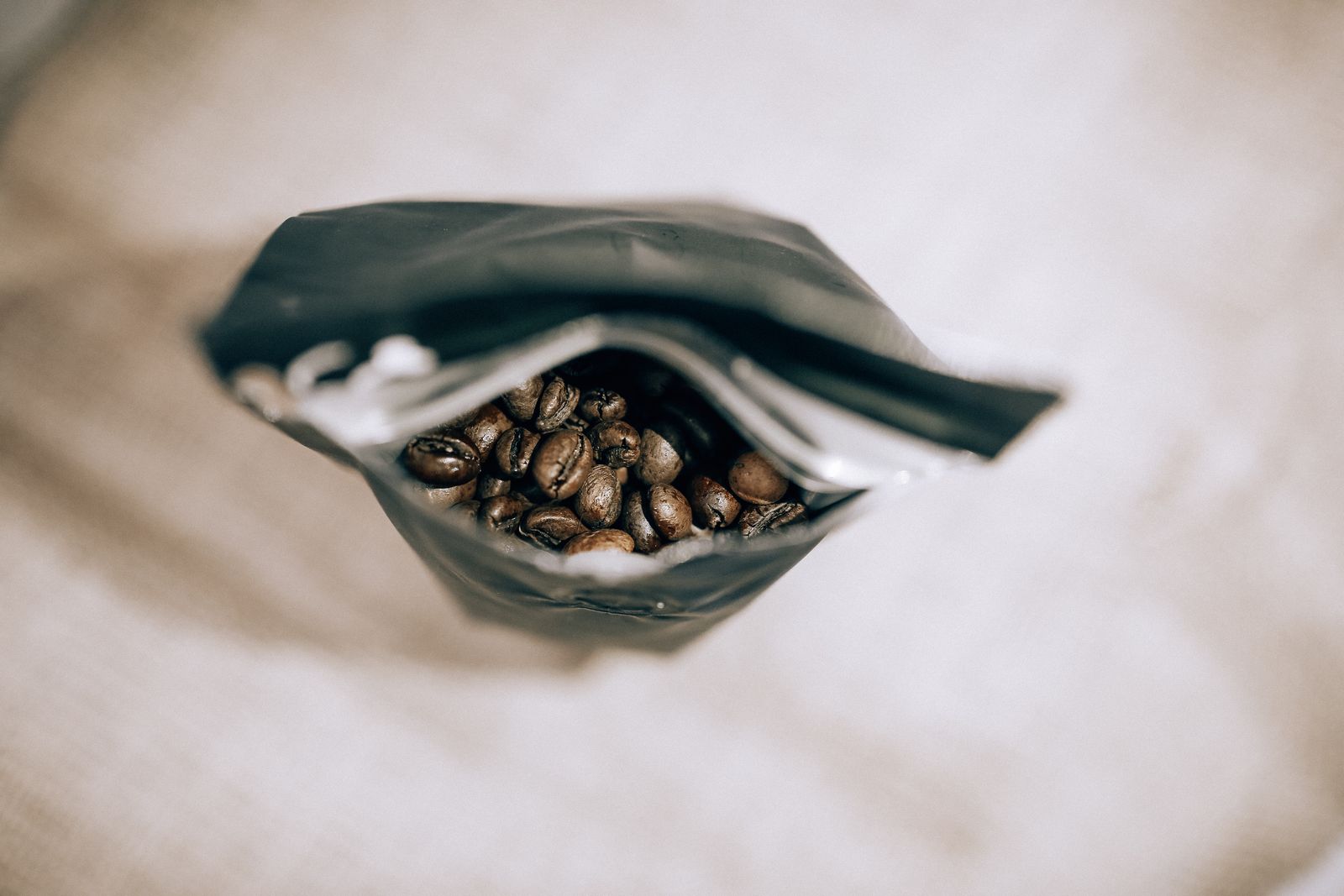
Roasting creates the aromas we love in the cup, but it also starts a clock. Freshly roasted beans hold carbon dioxide and a complex mix of volatile compounds. Over time those aromas escape, and oxygen slowly dulls what is left.
The Specialty Coffee Association describes the main enemies of coffee freshness as oxygen, moisture, temperature, and time. Heat speeds the chemical changes that make coffee taste flat. Moisture lets those reactions move faster, and it can also carry kitchen odors into the beans.
Using CO₂ degassing as a guide, the SCA has noted that whole-bean coffee can reasonably be considered fresh within about three weeks of roasting, while ground coffee loses that gas much more quickly. That is a freshness guide, not a safety deadline. Older beans are usually still fine to brew; they simply taste less vivid.
The practical job, then, is to slow those changes at home.
How to Store Coffee Beans at Home: 7 Simple Rules
These seven rules cover everyday roasted coffee. A later section covers green coffee beans, which follow a different timetable.
1. Buy only what you will brew soon
Coffee starts losing freshness after it is roasted, so a smaller, fresher bag usually beats a large one that sits for months. The National Coffee Association suggests buying enough freshly roasted coffee for about one or two weeks.
That is a useful target for home brewing, not a hard law. If you drink coffee every day, a bag you will finish in two or three weeks is a comfortable rhythm. Delicate, floral lots such as Yirgacheffe often fade sooner than a chocolatey Colombia, so buy those in amounts you will actually use.
2. Keep the beans whole until you brew
Grinding multiplies the surface area of the coffee, so aromas escape much faster. Grind only what you need, just before brewing, with a burr grinder if you have one.
If you prefer ground coffee — for example Premium Yirgacheffe or a traditional Türk Kahvesi grind — the storage rules still apply, only more urgently. Keep the bag or jar tightly sealed and use the coffee sooner than you would use whole beans.
3. Use an airtight container
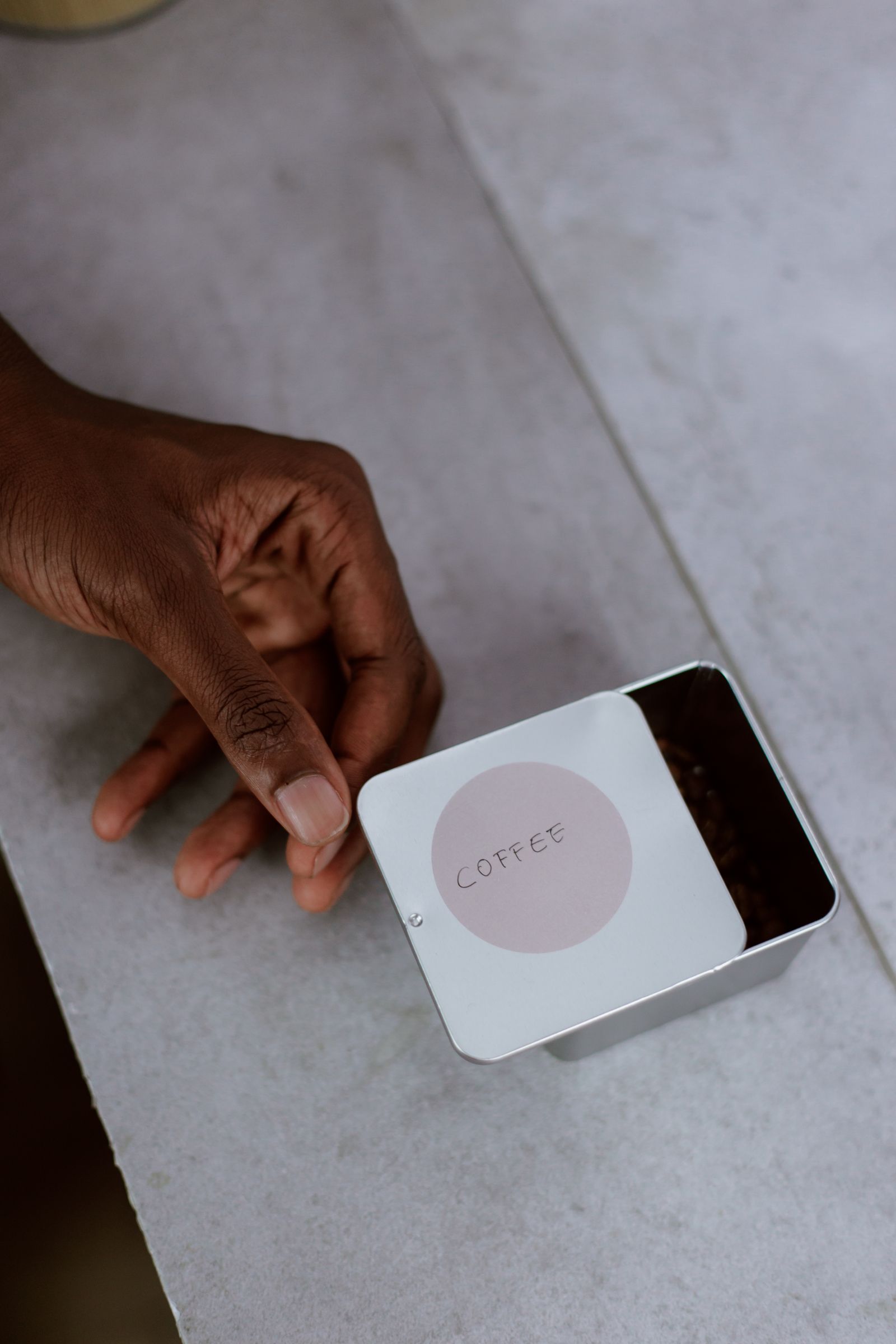
Once the bag is open, air is the everyday problem. Transfer the beans to a clean, dry, airtight tin or jar, and fill it enough that there is not a large empty headspace.
Many roasted-coffee bags include a one-way valve. That valve lets carbon dioxide out after roasting without letting much air back in — useful while the bag is still sealed. After you open it, roll the bag down tightly and clip it, or move the beans into a container with a proper lid.
The NCA notes that retail packaging is often not ideal for longer storage, especially for pre-ground coffee. A well-sealed valve bag can still work for a short time; an airtight container is the more reliable everyday choice.
4. Keep light off the beans
Light, especially direct sun, is one of the four enemies of coffee freshness. An opaque tin or canister is the simplest fix.
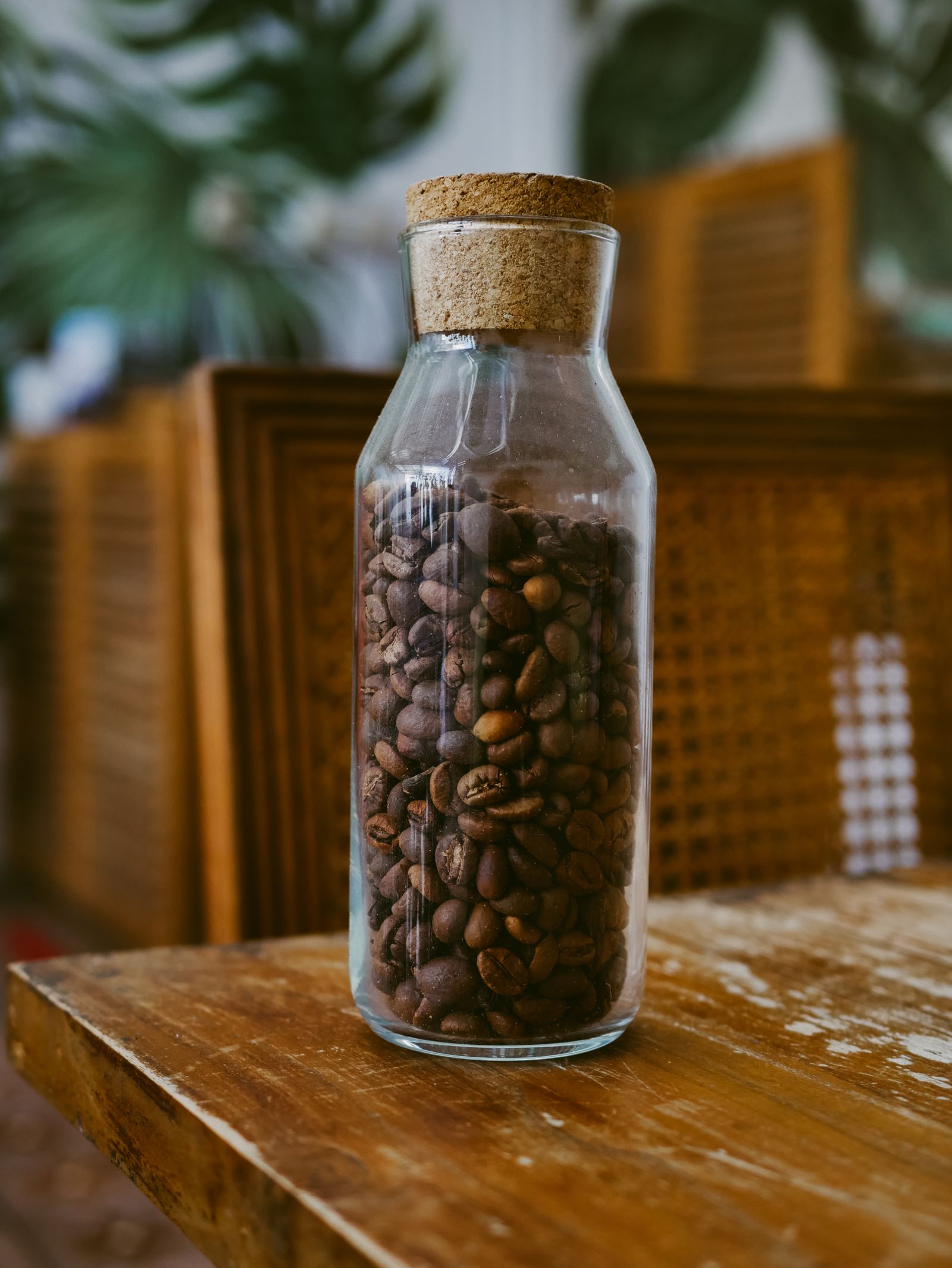
Clear glass is fine for a short time if the jar lives inside a closed cupboard. It is a poor choice as counter decor next to a window. If you like seeing the beans, use a clear jar only as a small working supply and keep the rest in an opaque container.
5. Choose a cool, dark, dry cupboard
Store the container in a dark, dry place that stays reasonably cool and does not swing wildly in temperature. A pantry or a cupboard away from the stove is usually right.
Avoid the cabinet above the oven, the shelf next to the dishwasher, and any counter that gets strong afternoon sun. The NCA specifically warns that those spots can get too warm. Also keep coffee away from spices, onions, soap, and other strong smells. Roasted beans pick up odors easily.
In a humid kitchen, the airtight lid matters even more. You cannot change the weather, but you can keep moist air off the beans.
6. Skip the refrigerator for everyday coffee
The fridge is a tempting idea, and it is usually the wrong one for a bag you are already brewing.
Roasted coffee is hygroscopic: it takes up moisture from the air around it. It also absorbs odors. A refrigerator is moist, full of food smells, and warm every time the door opens. Condensation can form on cold beans when you take them out, which is the opposite of what you want.
The NCA notes that views differ on refrigerating or freezing coffee, and that these options may be more relevant in a very humid climate — and only in a truly airtight container. For a one- or two-week supply, a cool cupboard is the simpler, safer default.
7. Freeze only with care, in portions
Freezing can slow staling if you have more roasted coffee than you will drink in the next few weeks. It is not a substitute for buying amounts you can finish while the coffee is still at its best.
If you do freeze beans, pack them in truly airtight portions — small enough that you will use one portion within about a week after thawing. The NCA suggests removing only what you need for no more than a week, then returning the rest before condensation forms.
Let a frozen portion come fully to room temperature before you open it. Opening a cold pack in a warm kitchen lets moisture condense on the beans. Do not thaw and refreeze the same portion, and do not store an open jar in the freezer door, where temperature swings are largest.
Used this way, freezing is a backup for surplus coffee, not the everyday method.
How long do roasted coffee beans last?
Once you know how to store coffee beans, the next question is how long they stay at their best. There are two different answers: how long the coffee tastes fresh, and how long it remains safe to drink.
For flavor, a few weeks is a realistic window for opened whole beans kept well at room temperature. The NCA’s consumer guide lists about one to three weeks for roasted beans at room temperature, and one to two weeks for ground coffee. The SCA’s freshness discussion, using degassing as a guide, points to a similar few-week window for whole beans after roasting.
Past that point the coffee does not usually become unsafe. The NCA notes that roasted coffee typically will not “expire” in the sense of being dangerous unless it has been exposed to moisture and developed mold. It will, however, lose aroma and can taste flat or stale.
If your beans smell lifeless, look unusually pale, or taste dull and cardboard-like, they are past their best. You can still brew them if they are dry and clean, but they will not show the jasmine and citrus of a fresh Yirgacheffe, or the caramel and chocolate of a fresh Colombia Supremo.
How to store green coffee beans
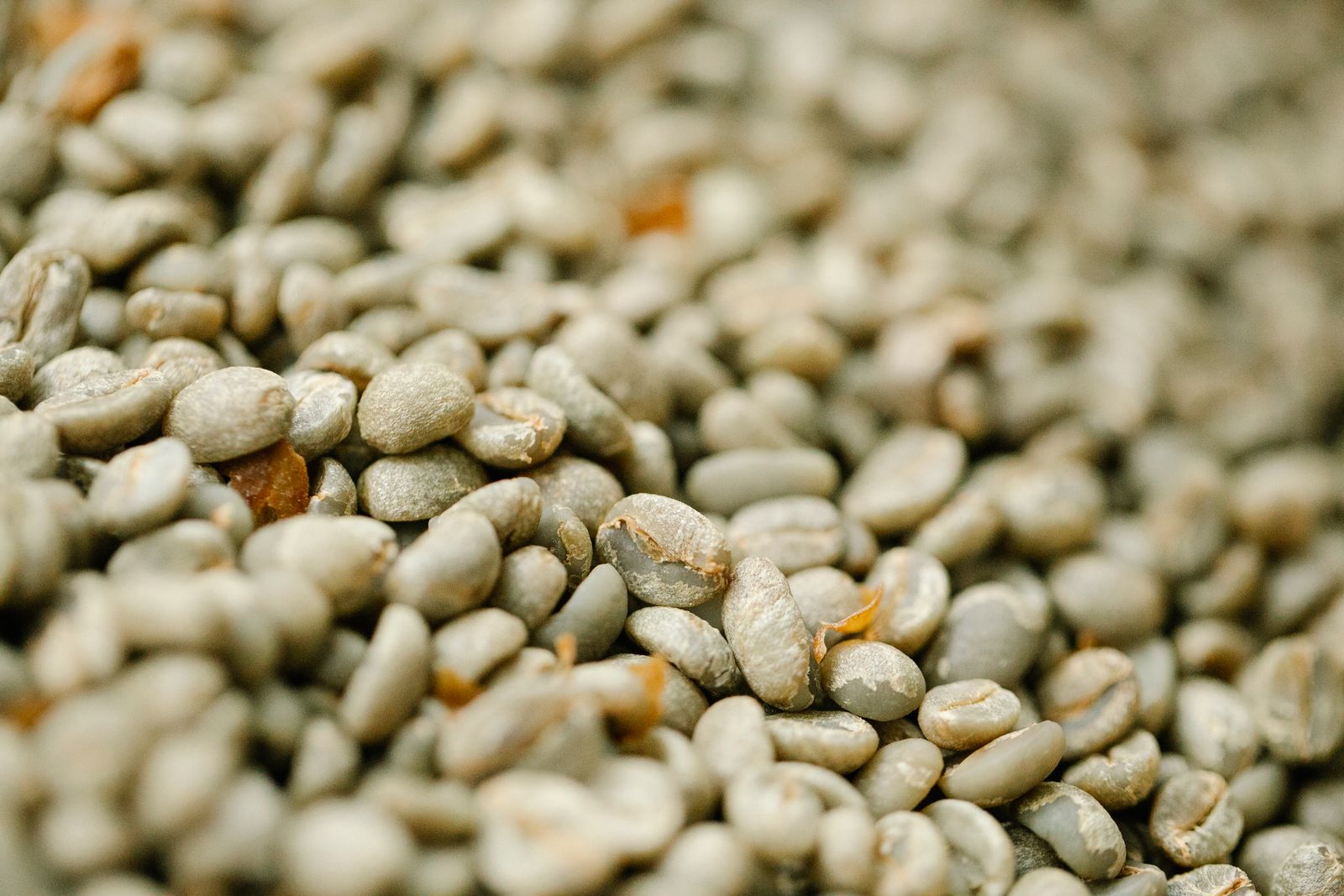
Green, unroasted beans are a different product with a longer useful life. They have not yet been through the roast, so they do not lose aroma as quickly as brown beans do.
Store them cool, dry, dark, and sealed, away from spices and soap. A clean, airtight container or a well-closed original bag in a dry cupboard is enough for most home roasters. Do not refrigerate green coffee. The moisture risk is not worth it.
Kept this way, green coffee typically stays in good condition for many months, and often up to about a year. Heat and humidity shorten that window. Roast smaller amounts as you need them, rather than roasting a whole supply at once.
If you are starting with home roasting, our guide to how to roast green coffee beans at home walks through the pan method, first crack, cooling, and the short rest roasted beans need before you brew. After that rest — usually 12 to 24 hours, often better after a day or two — store your finished roast with the same airtight, cool, and dark habits described above.
A forgiving first bag is Brazil Rio Minas green coffee. Ethiopia green beans are a good next step when you want a lighter, floral roast. For a reminder of when a roast is actually ready to drop, see What Is the First Crack in Coffee Roasting.
FAQ
Can I keep coffee in the bag it came in?
Yes, for a short time, if you can seal it well. Roll a valve bag down, push out extra air, and clip it closed. For anything longer than a few days, an airtight tin or jar is more reliable.
Should I freeze coffee beans?
Only if you have more than you will brew in the next few weeks. Freeze in airtight portions, take out one portion at a time, and let it warm up before you open it. Do not freeze and thaw the same beans repeatedly. A cool cupboard is still the right place for the coffee you drink this week.
How long do roasted coffee beans last once the bag is open?
For peak flavor, plan on a few weeks if the beans are whole, sealed, and kept cool and dark. Ground coffee fades faster. After that the coffee is usually still safe to drink if it has stayed dry, but the cup will be less aromatic.
Can I store ground coffee the same way?
Use the same airtight, cool, dark, and dry setup, and use the coffee sooner. Grind just before brewing when you can. Finely ground coffee, including Turkish coffee, stales especially quickly because so much surface is exposed.
Is old coffee unsafe to drink?
Dry, well-kept roasted beans do not usually become unsafe just because they are a few weeks or months old. They lose quality. Do not brew coffee that smells musty, has been wet, or shows any sign of mold. When in doubt, throw it out and open a fresh bag.
Keep your next bag at its best
Buy an amount of fresh roasted coffee beans you can finish while the aroma is still lively, and use these steps whenever you need a reminder of how to store coffee beans. Colombia Supremo is a versatile everyday roast; Ethiopia Yirgacheffe rewards careful storage because its florals fade when the beans sit in air and heat.
If you roast at home, start with Dubai Coffee’s green coffee beans. The shop is based in Istanbul and ships across Türkiye and worldwide.